In short
- Every turbine engine makes metal. What matters is whether the wear is changing.
- Three witnesses record it: the chip detector, the oil filter and the oil sample.
- Keep the debris from all three, and oil debris analysis sees the whole picture.
Every turbine engine makes metal. Bearings, gears and splines wear a little with every hour. That is normal, and it is not the problem.
The problem is what happens to the evidence.
Three witnesses watch that wear from inside the engine: the chip detector, the oil filter and the oil sample. Each one sees something the others miss. Together they tell you what is wearing, how fast, and whether it is changing. That is what oil debris analysis is for.
But a witness only helps if someone listens. Wipe the chip detector clean, bin the filter debris, or take samples a different way each time, and the story falls apart.
Witness one: the chip detector

The chip detector is a magnet in the oil system. It catches ferrous particles as the oil flows past. (More on how chip detector sensors work.)
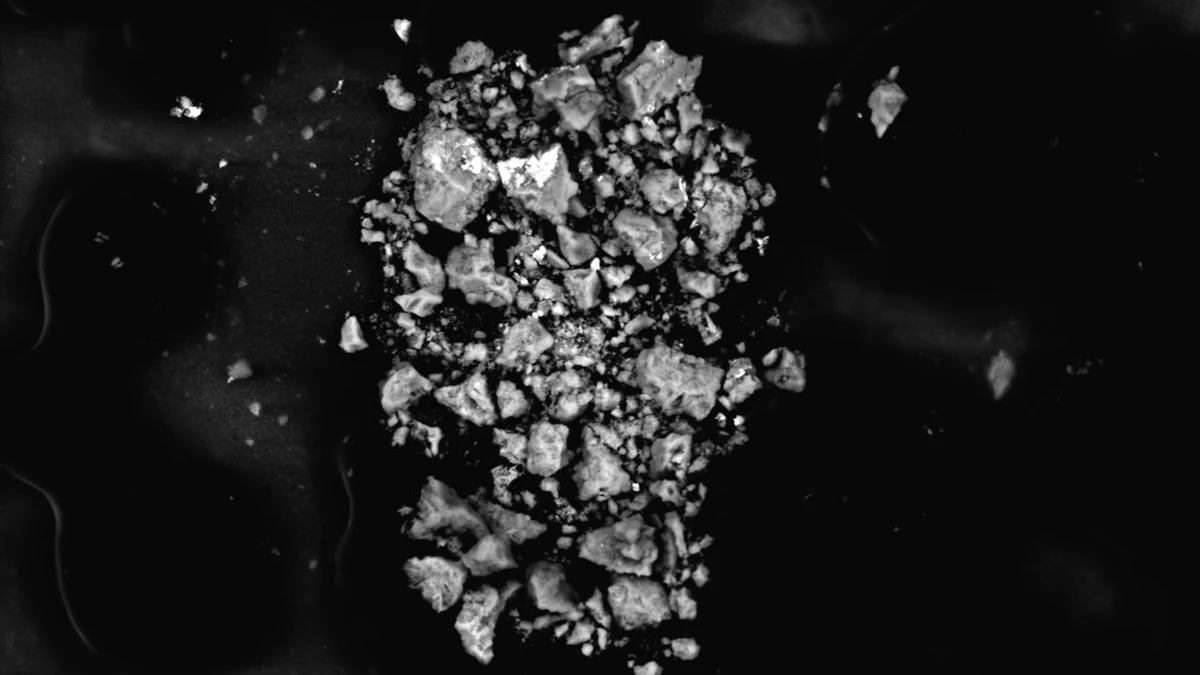
Most chip detectors collect some fine fuzz. Because the particles are so small, it often seems not relevant and is wiped away. But that fuzz is evidence too: where it collects tells you which part is wearing. A chip is different. It came from somewhere: a bearing, a gear, a spline.
“It was only one, let’s run some more.”
Most technicians have heard it. The aircraft is due out and nothing else looks wrong, so the detector is wiped, signed off, and the engine runs on.
Sometimes that is the right call. But once the debris is wiped off and thrown away, nobody can look at it again. No lab can tell you what it was made of. Nobody can compare it with what turns up next time. (Read why chip light warnings are so often ignored.)
So bag it. Label it with the aircraft, engine, position, hours and date. Keep it.
Witness two: the oil filter

The filter catches what the magnet cannot: particles that are not magnetic, and many that slipped past the detector.
Filters are often cleaned or replaced with one goal in mind, a clean filter. But a clean filter tells you nothing. The debris on it tells you a lot.
So before the filter is cleaned, look at what it caught. Where the procedure allows, collect that debris and send it for analysis. It is the longest record of the three, covering everything the oil carried since the last filter service.
Witness three: the oil sample

An oil sample only shows what is floating in the oil at the moment it is taken. After shutdown, the heavier particles start to settle.
Take one sample minutes after shutdown and the next one the following morning, and you are not comparing the same thing. Trend analysis only works if every sample is taken the same way: same time after shutdown, same sampling point, same method, every time.
Otherwise the trend is in the method, not the engine. (See also what turbine oil analysis can tell you about bearing steel.)
Why oil debris analysis needs all three
| Witness | What it sees | What you lose if it is ignored |
|---|---|---|
| Chip detector | Magnetic particles, from fine fuzz to chips, often the first sign of a change | The physical evidence of what broke away |
| Oil filter | Everything the oil carried since the last filter service | The longest record of wear in the system |
| Oil sample | Fine particles in the oil at one moment | A trend you can compare over time |
Send off an oil sample but wipe the chip detector and clean the filter without looking, and the lab only ever sees part of the evidence. Put the three together and a single finding becomes a picture you can act on.
Make keeping the evidence a habit
- Bag and label chip detector debris instead of wiping it away.
- Look at filter debris before the filter is cleaned or changed.
- Take every oil sample the same way.
- When something looks wrong, send all three to the lab together.
- Record what you found, so the next shift can compare.

The engine manufacturer’s procedures always come first. These habits sit alongside them.
Where TheCanKey fits
The witnesses can only tell the truth if the oil is clean when it goes in. Metal that enters with the oil itself ends up on the same detector, in the same filter and in the same sample, and someone then has to explain it. Our lab test of a single screwdriver punch found more than 1,000 particles.

TheCanKey opens the can without adding metal.
Saybolt Laboratories certified FOD-free: 0.00023% new, 0.00032% used, no metal particles by microscopy.
For sampling and chip-light procedures in more depth, download our free FOD Prevention Guide.
Download the FOD Prevention GuideFrequently asked questions
What is oil debris analysis?
Oil debris analysis looks at the particles an engine’s oil system collects to understand what is wearing, how fast, and whether it is changing. It uses three sources of evidence: the chip detector, the oil filter and the oil sample.
What are the three witnesses in an engine oil system?
The chip detector, the oil filter and the oil sample. The chip detector catches magnetic particles, the filter holds everything the oil carried since the last filter service, and the oil sample shows what is floating in the oil at one moment.
Is fine fuzz on a chip detector normal?
Fine fuzz is normal wear, but it is still evidence. Where it collects tells you which part is wearing, so it is worth looking at before it is wiped away.
Why should every oil sample be taken the same way?
After shutdown, heavier particles start to settle. A sample taken minutes after shutdown and one taken the next morning are not comparable. Taking every sample at the same time after shutdown, from the same sampling point and with the same method keeps the trend about the engine, not the method.
Should filter debris be sent to the lab as well as the oil sample?
Where the procedure allows, yes. The filter holds the longest record of wear in the system, and a lab that only receives the oil sample is working with part of the evidence. When something looks wrong, sending all three together gives the clearest picture.
Can opening an oil can affect oil debris analysis?
Yes. Metal that enters with the oil ends up on the same chip detector, in the same filter and in the same sample, where it can be mistaken for engine wear. In our lab test, a single screwdriver punch through an oil can lid produced more than 1,000 particles.